
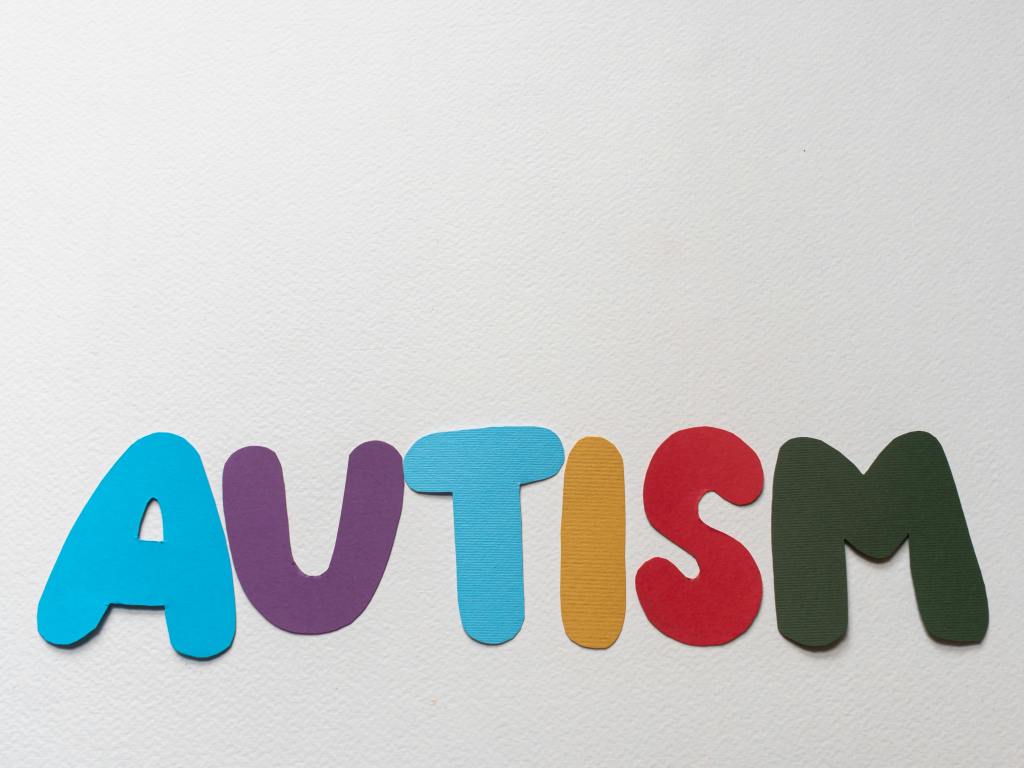
It’s now the end of Autism Acceptance Month. I wanted to write this blog to round off the month, but it has been hard to find the words. I believe we have reached a point where ‘acceptance’ just isn’t cutting it anymore – more needs to be done.
Common themes during Autism Acceptance Month
Every year, I see an influx of social media posts that focus on the same themes:
- Autistic people are ‘accepted’ in society
- Autistic people with low-support needs are generally favoured
- Posts surrounding autistic people are seen as ‘inspirational’
I can assure you there are plenty of autistic creators that create amazing and thoughtful posts during this month, and it is incredibly refreshing to see experiences that are so different and varied than the experiences that are given more screen time.
Why aren’t marginalised voices heard?
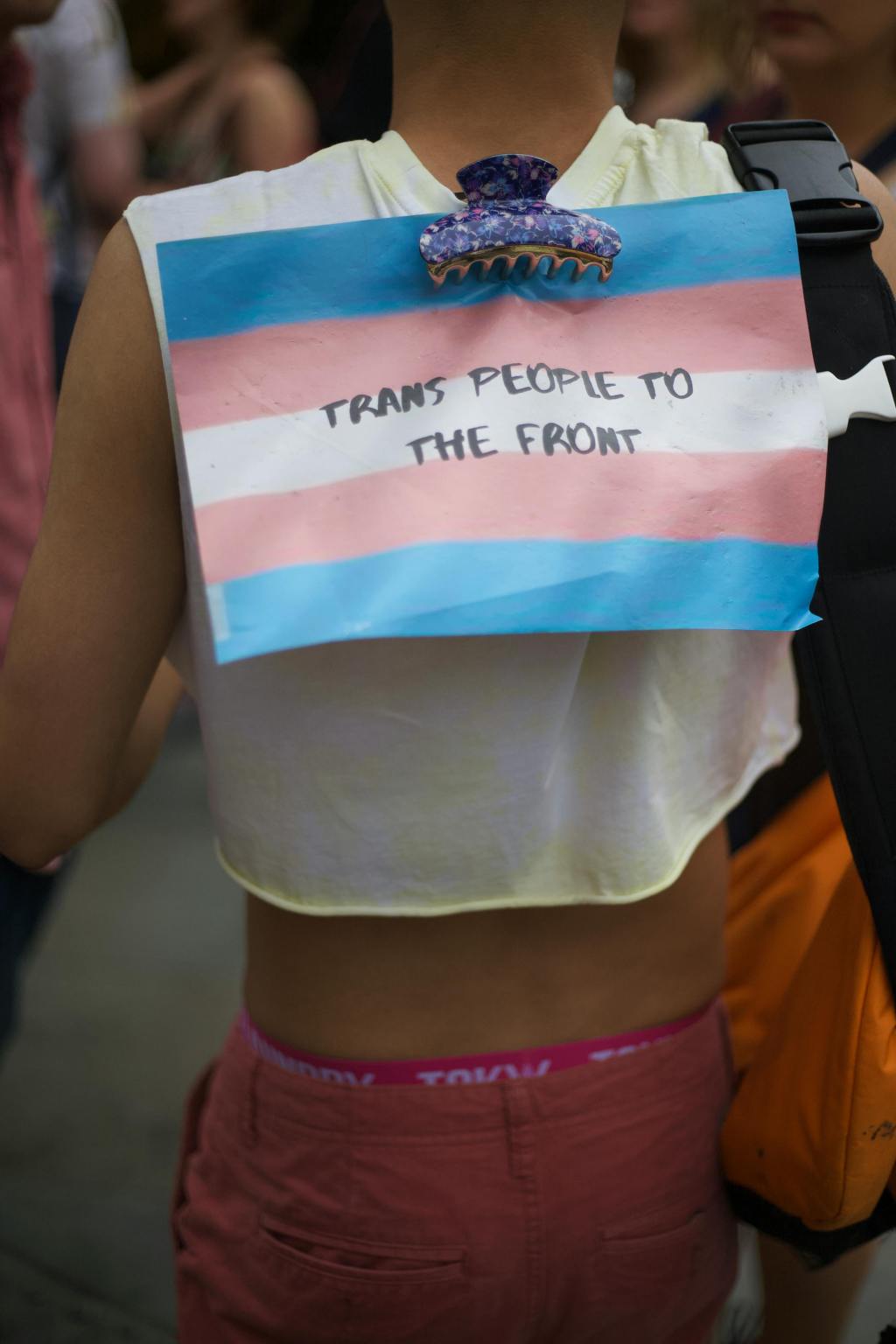
It’s widely known that autistic people that come from marginalised communities are much less likely to be heard. Autistic people who are Black, POC, queer, trans, poor, working-class, non-speaking, AAC users, AFAB, or have multiple disabilities are very much invisible, and are left out of the conversation.
Autism still has a ‘look’, and that look is a white, cis, boy. What’s more, women and AFAB people are much less likely to be diagnosed, due to masking, or doctors being unable to recognise autism as easily in women/AFABs.
Why are autistic people with different support needs not heard?
Autistic people with low-support needs are considered to be more palatable than those with moderate to high support needs.
This is down to the fact that much of society expects autistic people to ‘function’, and any deviation from this (struggling with hygiene tasks, meltdowns, to name a few) is seemingly unacceptable.
The statistics speak for themselves
- Roughly 30% (or 3 in 10) autistic people are in any form of employment. This is largely due to a lack of understanding and negative stereotypes, as well as the needs of autistic people being ignore or otherwise not supported.
- Autistic people die around 6 years earlier than the general population. There are many reasons as to why this is the case; autistic people are more likely to experience both chronic physical health conditions, as well as mental health conditions. This can be exasperated by autistic people having difficulty accessing healthcare. This statistic isn’t here to scare you, but it is definitely shocking.
- Most autistic people receive little to no support before or after diagnosis, and are ultimately left to fend for themselves. Overstretched, inaccessible services are the reason for this, as well as a continued lack of understanding around autism.
What needs to change?
Improvements must be made to mental health services; in fact, significant changes are needed to make sure positive mental health outcomes are achieved for all autistic people – positive mental health outcomes and proper support benefits everyone!
Reasonable adjustments are a legal requirement under the Equality Act, and I have seen so many instances where people just aren’t getting the support they are legally entitled to.
Ultimately, autistic lives should matter the same as neurotypicals, and the worry is that we aren’t there yet.
Autistic lives matter
Support, reasonable adjustments, accommodations, awareness and respect all have a part to play in ensuring that autistic people have the best chance in life, doesn’t everybody deserve this?
Until next time,
L.
Be sure to check out my socials for more on this topic!


Leave a comment